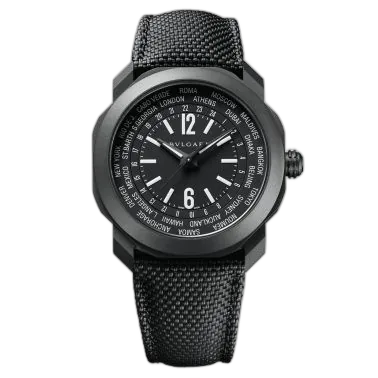
Pilot Watches: A Buyer's Guide to Cockpit-Born Design
A pilot watch is a cockpit instrument that outlived the cockpit — every big crown and high-contrast dial still answers a question a pilot once asked.
The case for a pilot watch
Pilot watches trace back to the oversized Beobachtungsuhren German cockpit instruments of the 1930s and 40s — cases run 39–45mm to stay legible at a glance, dials favor stark black-and-white contrast with an arrow or triangle at 12, and crowns are built oversized to be operated with a gloved hand. It's the one archetype where every design choice still traces directly back to a functional cockpit requirement.
Legibility and crown size matter more here than complications — a clean two-hand dial with a date window is the norm, and what separates tiers is movement pedigree and case finishing rather than added functions. Hamilton's Khaki Aviation line built its reputation on accessible cockpit homages, Longines' Spirit Pilot carries the brand's own aviation archive forward, and IWC's Pilot's Watch Mark series remains the reference the category is measured against.

An automatic Cal. H-10 with an 80-hour power reserve and a see-through case back, in a 36mm case that keeps the flieger silhouette wearable on a smaller wrist.

A COSC-certified in-house Calibre L888.4 with a 72-hour reserve — proof that a Swiss pilot watch's chronometer certification doesn't require an investment-tier price.

IWC's own Calibre 32111 and a 120-hour power reserve in the twentieth generation of a line that's defined the pilot-watch archetype since 1948.
All references