10h09.com

Hand-Wound Watches: A Buyer's Guide to Mechanical Watches You Wind Yourself

A hand-wound watch gives back what you put into it. That's its appeal, but also its demand.

References160+
Brands15
Entry price~$583
Case diameter34mm – 45mm
10h09 pickOMEGA De Ville Trésor

What actually matters in a hand-wound watch

A hand-wound watch is a mechanical watch that you wind yourself through the crown. There is no rotor doing the work in the background; the energy that powers the movement comes directly from your own action, which is part of why hand-wound watches often feel more intimate and intentional than their automatic counterparts.

Expect compact field watches, slim dress-adjacent designs, historically faithful reissues, and modern everyday pieces built thin precisely because there's no rotor to clear. None of them share a look or a price bracket — what they share is a ritual: wind it in the morning, and it runs because you did.

Power reserveSome hand-wound watches need daily winding, while others can run for several days. What matters is not the number on paper alone, but whether the reserve suits your routine.
Crown feelOn a hand-wound watch, the crown matters more than usual — you'll use it often, so the feel of winding, smooth, precise, too stiff, too small, becomes part of the product experience.
ThicknessRemoving the automatic rotor often allows a slimmer movement and therefore a slimmer case, though this isn't universal. Check the full case height rather than assuming every hand-wound watch is slim.
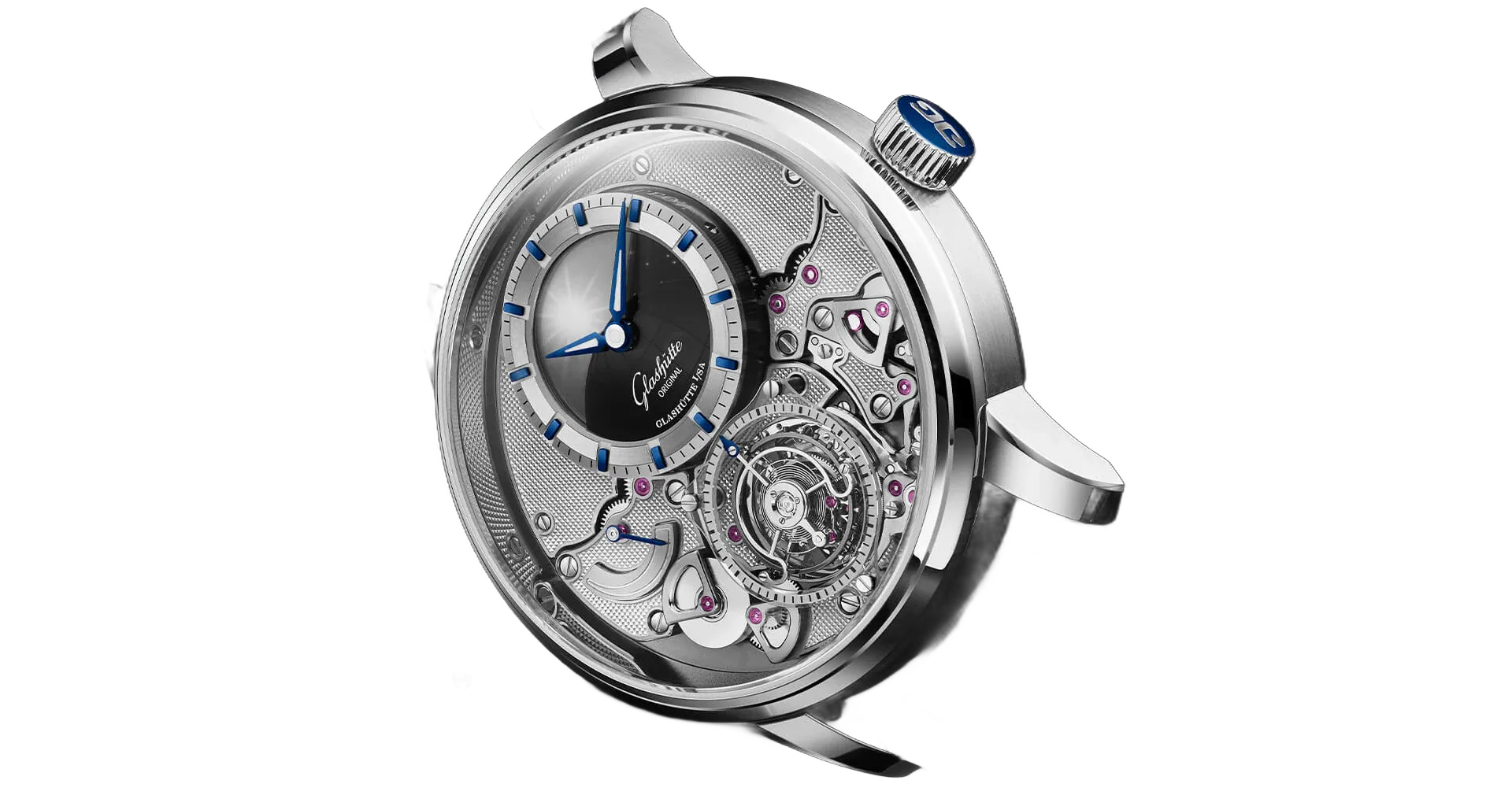
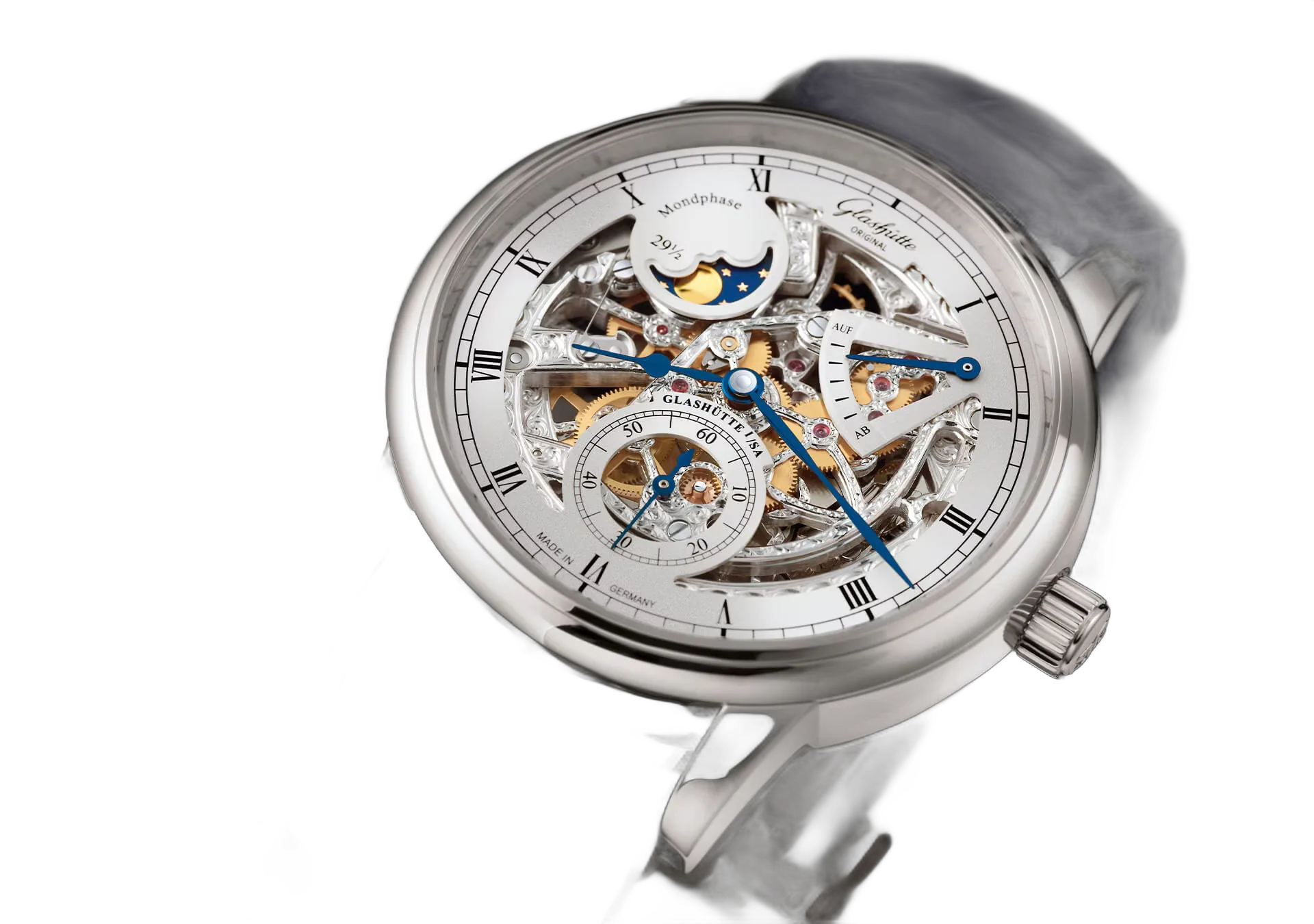
Display back appealA hand-wound movement is often more visually open than an automatic one because there's no rotor obscuring the architecture — a major part of the attraction if visible mechanics matter to you.
10h09 picks — three budgets
Seiko Presage Style 60s
Entry hand-wound · ~$583
Seiko
Presage Style 60s
SRPG03J1 · 40.8mm · 50m

A vintage-styled dial and an approachable price make this the easiest way to find out whether the winding ritual suits you.

OMEGA De Ville Trésor
Thin dress icon · ~$8,424
OMEGA
De Ville Trésor
43513402102001 · 40mm · 30m

Omega's ultra-thin dress line, built specifically to prove how slim a hand-wound movement can make a watch.

~$8,424View
OMEGA Speedmaster Moonwatch Professional
Historic icon · ~$9,180
OMEGA
Speedmaster Moonwatch Professional
31032425004001 · 42mm · 50m

The hand-wound chronograph with the deepest historical continuity of any watch on this list — mechanical watchmaking heritage worn on the wrist.

~$9,180View
The 10h09 take

Choose by routine, then be honest about the ritual

Everyday wear
A hand-wound everyday watch can be deeply satisfying if you enjoy the ritual. The key question is whether winding it feels like a pleasure or an obligation.
Office and dress use
This is where hand-wound watches often shine. Slimmer cases, calmer dials, and a more deliberate ownership experience suit dress-adjacent watches particularly well.
Historically inspired watches
Many military-inspired and vintage-minded designs feel especially coherent with hand-wound movements, because the movement type matches the historical character of the watch.
First mechanical watch
A hand-wound watch can be a wonderful first mechanical watch if you want to understand the appeal of mechanical ownership directly. It's less ideal if you primarily want ease and low friction.

Common questions

What is a hand-wound watch?
A hand-wound watch is a mechanical watch that stores energy by manually winding the crown, rather than using a rotor and wrist motion to wind automatically.
Why were hand-wound watches invented?
Hand-wound watches emerged as the first practical portable mechanical watches because early watchmakers needed a way to store energy in a small device. The mainspring made portable timekeeping possible, and manual winding was the natural way to recharge that stored energy before automatic systems existed.
Were early watches all hand-wound?
Yes. Early portable watches were manually wound, originally with a separate key and later with crown-based systems. Automatic winding came much later.
What is the difference between hand-wound and automatic?
Both are mechanical, but a hand-wound watch is wound manually through the crown, while an automatic watch uses a rotor moved by wrist motion. Hand-wound watches often feel more deliberate; automatics tend to be easier for everyday convenience.
Are hand-wound watches thinner?
Often, yes, because they don't need the rotor mechanism of an automatic watch. But not always — case thickness still depends on the overall movement and case design.
Are hand-wound watches good first watches?
They can be excellent first mechanical watches for buyers who enjoy interaction and want to understand what makes mechanical ownership satisfying. They are less ideal for buyers who want maximum ease and minimum maintenance.

Not sure which one fits your life? A few questions is all it takes.

Find your watch.

Start the quiz