10h09.com

Mechanical Watches: A Buyer's Guide to Watches Powered by Springs and Gears

A mechanical watch should not become a small obstacle you admire more than you wear — the pleasure comes from ownership, not from the idea of it.

References3,850+
Brands36
Entry price~$319
Case diameter30mm – 44mm
10h09 pickHAMILTON Khaki Field Mechanical

Hand-wound or automatic?

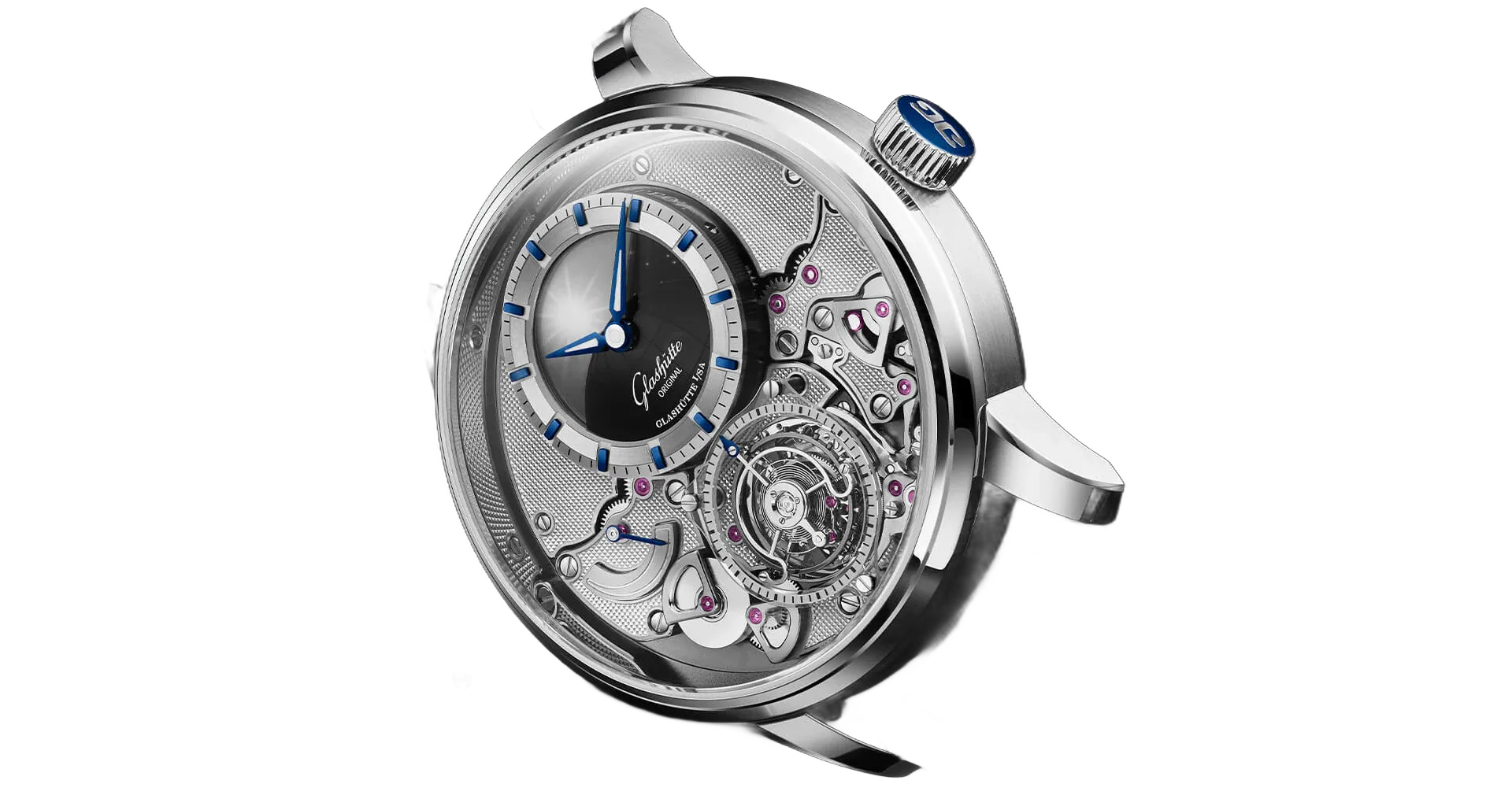
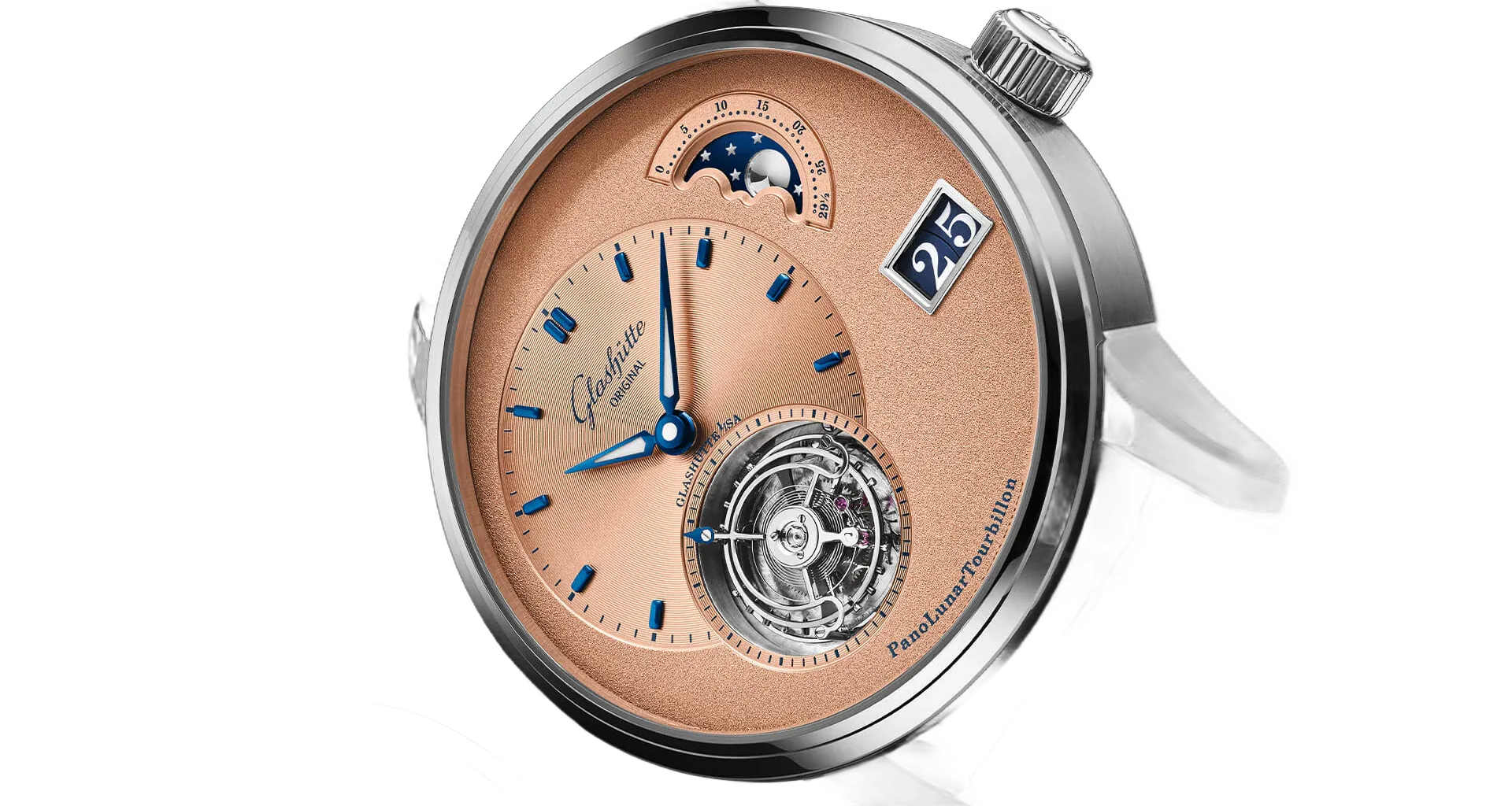
A mechanical watch is powered not by a battery, but by stored energy in a spring that is released through a series of gears and regulated by an escapement. It is one of the oldest surviving forms of portable technology still used every day, and part of its appeal is precisely that it remains physical, visible, and alive on the wrist.

The range below runs from everyday steel three-handers to compact field watches, divers, dress-adjacent pieces, and travel designs, in both hand-wound and automatic form. What unites them has nothing to do with case shape or price — it's the sound of a mainspring letting go, and a movement you can watch through a case back rather than take on faith.

Hand-woundWound manually through the crown, usually once a day or every few days depending on power reserve. Often appeals to buyers who enjoy the act of ownership, appreciate thinner cases, or like seeing more of the movement through the caseback.
AutomaticWinds itself through a rotor that moves with your wrist, making it easier to live with as a daily companion. Suits buyers who want mechanical character without making winding part of the routine.
Power reserveHow long the watch runs after winding, often around one to three days, though some run longer. The practical question is not which reserve is longest, but whether it will still be running when you next want to wear it.
ServicingMechanical watches need periodic servicing because their many moving parts create wear over time. They are maintainable machines, not sealed electronic appliances — a burden for some buyers, part of the point for others.
10h09 picks — three budgets
Seiko 5 Sports
Entry automatic · ~$319
Seiko
5 Sports
SRPE55K1 · 40mm · 100m

A genuine automatic movement in a durable everyday case — the easiest, most affordable way to try mechanical ownership.

HAMILTON Khaki Field Mechanical
Hand-wound ritual · ~$675
HAMILTON
Khaki Field Mechanical
H69439411 · 38mm · 50m

A field-watch classic that asks you to wind it yourself — for buyers who want the deliberate, tactile side of mechanical ownership.

Longines Hydroconquest
Sport automatic · ~$2,106
Longines
Hydroconquest
L37814056 · 41mm · 300m

A 300m automatic diver that proves mechanical engineering and genuine daily durability aren't in conflict.

~$2,106View
The 10h09 take

Choose by routine, then decide how much ritual you want

Everyday wear
A mechanical everyday watch should be comfortable, legible, and robust enough that you actually use it. Moderate dimensions, practical water resistance, and a bracelet or strap you enjoy matter more than abstract movement prestige.
First mechanical watch
Choose your first mechanical watch for fit, style, and ease of ownership, not because the movement is supposed to be inherently "better." A simple, well-sized three-hand watch is usually the best place to begin.
Dress and office use
Mechanical watches suit these settings especially well because they often reward close attention to finishing, dial detail, and slim case design. A hand-wound watch can be particularly appealing if you want elegance and low visual bulk.
Sport and travel
Mechanical sport watches are popular, but weigh the trade-offs honestly. They can be excellent companions, yet if absolute convenience and no-fuss accuracy matter most, a quartz or solar alternative may serve the role better.

Common questions

What is a mechanical watch?
A mechanical watch is powered by a wound mainspring and regulated by a balance wheel and escapement, rather than by a battery and quartz crystal. It keeps time through interacting physical components.
Why were mechanical watches invented?
Mechanical watches were invented to make timekeeping portable. Earlier mechanical clocks used weights and had to remain stationary, but the invention of the mainspring allowed stored energy to be carried in a much smaller form, making portable clocks and eventually watches possible.
What is the difference between automatic and hand-wound?
Both are mechanical. A hand-wound watch is wound manually through the crown, while an automatic watch uses a rotor and wrist motion to wind the mainspring.
Are mechanical watches more accurate than quartz?
No. Quartz watches are generally more accurate in normal use. Mechanical watches are chosen for craftsmanship, feel, tradition, and the ownership experience rather than maximum precision.
Do mechanical watches need servicing?
Yes. Because they use many moving parts, they require periodic servicing over the long term to maintain performance and reliability.
Are mechanical watches good first watches?
They can be, especially if you want a more tactile and emotionally engaging object. The key is to choose one for fit, comfort, and daily suitability rather than buying into the idea that a mechanical movement is automatically the "right" choice.

Not sure which one fits your life? A few questions is all it takes.

Find your watch.

Start the quiz